Retinal detachment occurs when the retina separates from the back of the eye. It is a sight-threatening emergency — recognising the warning signs early can save vision.
What Is It?
Retinal detachment happens when the retina — the light-sensitive layer lining the back of the eye — pulls away from the tissue that supports it. Once detached, the retina cannot function properly and vision is affected in the corresponding area.
It can occur due to a retinal tear (allowing fluid to seep underneath), traction from the vitreous gel pulling on the retina, or fluid build-up from other eye diseases. Risk is higher in people with high myopia, previous eye surgery or trauma, or a family history of retinal detachment.
Retinal detachment is considered a medical emergency: the longer it goes untreated, the greater the risk of permanent vision loss. Same-day evaluation is essential if warning signs appear.
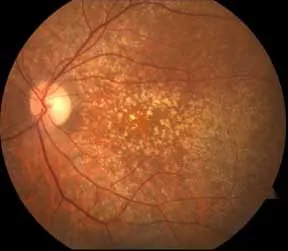
Symptoms & Indications
These symptoms can appear suddenly and should prompt an emergency eye evaluation the same day, not a routine appointment later in the week.
New, sudden flashes of light, especially in peripheral vision, can indicate the vitreous pulling on the retina.
A shower of new floaters, or floaters appearing suddenly, is a key warning sign, particularly alongside flashes.
A dark curtain, shadow or veil spreading across part of your vision is a hallmark sign of retinal detachment and needs emergency review.
Painless but sudden loss of vision, whether partial or complete, in one eye is an emergency and should not be observed at home.
Treatment Options
A dilated retinal examination is performed urgently to confirm whether a tear or detachment is present and assess its extent.
If caught at the tear stage, before full detachment, laser or freezing treatment can sometimes seal the tear and prevent detachment.
Established retinal detachment usually requires surgery — the specific technique depends on the type, location and extent of detachment, decided case by case.
What To Expect
Speed matters with retinal detachment — the sequence below reflects why immediate evaluation, not a delayed appointment, is advised.
Call our emergency line so the team can prepare for an urgent dilated retinal examination on arrival.
Pupils are dilated and the retina is examined in detail to check for a tear or detachment and determine its extent.
Based on findings, a plan — laser/cryotherapy for a tear, or surgery for detachment — is decided and explained to you.
Treatment is carried out as planned, with close follow-up to monitor the retina's reattachment and recovery.
Please note: This page is for awareness only and is not a substitute for emergency evaluation. If you have sudden flashes, a shower of floaters, or a curtain/shadow in your vision, contact us immediately or go to the nearest eye emergency service — do not wait to "see if it improves."
Common Questions
Evaluated and treated under Dr. Deepak Gandhi, Director of Gandhi Eye Centre, with clinical experience across cataract, glaucoma, cornea, retina and pediatric eye care.
View Doctor Profile →Call Gandhi Eye Centre immediately for urgent evaluation — do not wait for a routine appointment.