Cornea & Ocular Surface
Pterygium
Diagnosis & Surgery
A pterygium is a growth of tissue on the white of the eye that can extend onto the cornea, often linked to prolonged sun, wind or dust exposure.
A pterygium is a growth of tissue on the white of the eye that can extend onto the cornea, often linked to prolonged sun, wind or dust exposure.
What Is It?
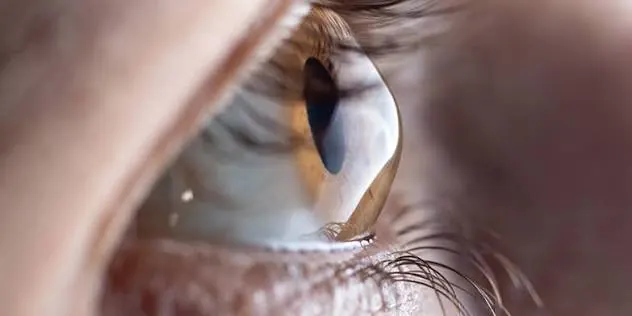
A pterygium is a fleshy, often triangular growth of conjunctival tissue that develops on the surface of the eye, usually on the side closer to the nose, and can slowly extend onto the cornea.
It is commonly associated with long-term exposure to sunlight (UV), wind and dust, which is why it is more frequently seen in people with significant outdoor sun exposure.
Many small pterygia cause no more than mild irritation or a cosmetic concern and are simply monitored. Surgery is considered when the growth affects vision, causes persistent discomfort, or keeps growing toward the visual axis.
Symptoms & Indications
Symptoms of a pterygium can range from none at all to significant irritation, depending on its size and how actively it is growing.
A raised, often pinkish-white, wedge-shaped growth on the conjunctiva, usually near the nose side of the eye.
The area over and around the pterygium can become red, irritated or inflamed, especially with sun or wind exposure.
Some patients describe a persistent feeling of grittiness or something being 'in' the eye.
If the pterygium grows onto the cornea or induces astigmatism, it can begin to affect vision — a reason to have it assessed rather than left unmonitored.
Treatment Options
Small, stable pterygia that are not affecting vision are often simply monitored at intervals with lubricating drops for comfort.
Lubricants and, where inflammation is present, short-term anti-inflammatory drops may be used to manage symptoms.
Surgical removal is considered when the pterygium affects vision, keeps growing, or causes persistent symptoms not controlled by drops.
What To Expect
When surgery is indicated, the goal is to remove the growth and reduce the chance of it returning.
The size, extent and effect on the cornea and astigmatism are assessed to confirm surgery is appropriate.
The pterygium tissue is surgically removed under local anaesthesia, typically as a day-care procedure.
A graft technique may be used to cover the area and lower the chance of the pterygium returning, depending on the surgical plan.
Eye drops are used during healing, with follow-up visits to monitor the surgical site and check for recurrence.
Please note: Pterygium can recur after surgery in some patients regardless of technique used; this risk is discussed individually before surgery. Recovery experience varies from person to person.
Common Questions

Evaluated and treated under Dr. Deepak Gandhi, Director of Gandhi Eye Centre, with clinical experience across cataract, glaucoma, cornea, retina and pediatric eye care.
View Doctor Profile →Book a consultation at Gandhi Eye Centre, Faridabad, to check whether observation or surgery is right for you.